For Veterans
Blogs
Diagnosis Isn’t the Finish Line: Build the Evidence Chain the VA Needs to See
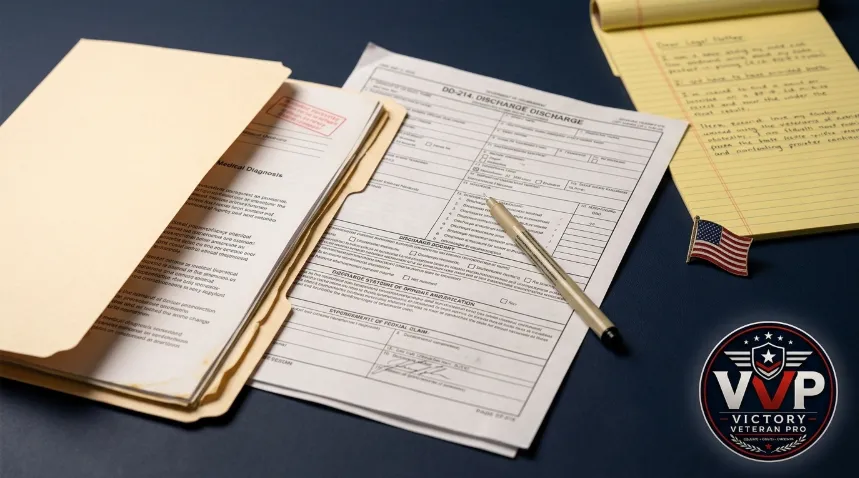
A diagnosis is only the first step in your VA disability claim. Many veterans get stuck after that, unsure why their paperwork doesn’t move forward. The VA doesn’t just want your medical records—they need a clear connection between your condition and your service. In this post, you’ll learn exactly what evidence builds that bridge so your claim can progress with confidence this Fiscal Year Planning Season. [https://victoryveteranpro.com/]
Diagnosis is Not Enough
Understanding VA Evidence Requirements
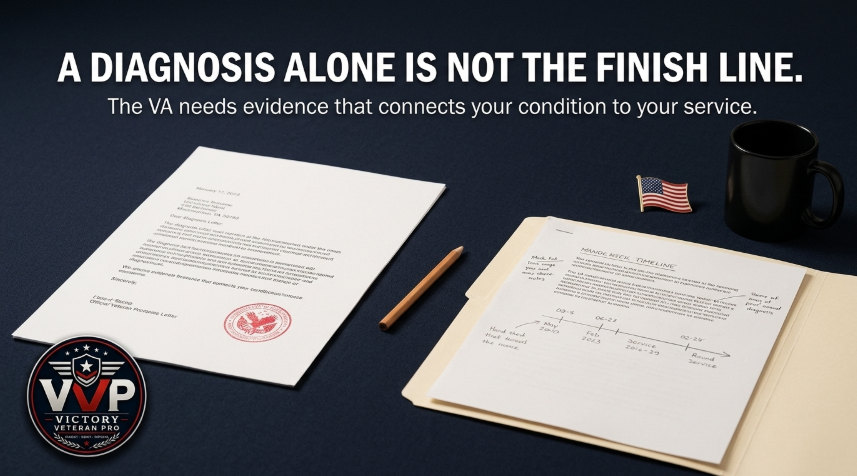
Getting a diagnosis is a crucial step, but it's just the beginning. The VA needs more to connect your condition to your service. They want to see proof, like the specific events or experiences during your service that led to your condition. This connection is what they call a "service connection."
To make this connection, you have to gather the right documents and evidence. This means showing how and when your condition started and how it's affecting you now. Veterans often think a diagnosis is enough, but the VA needs a full picture. Without this, your claim might stall, leaving you frustrated.
Common Missteps in VA Claims
Many veterans face delays because they miss key evidence. A common mistake is not linking your diagnosis to your service. The VA needs a clear trail of evidence. This means medical records, service treatment records, and statements from fellow service members, often called "buddy statements."
Another pitfall is assuming the VA will fill in the gaps. They won't. It's your job to present all necessary details. Many claims are denied because this connection isn't clear. Understanding these missteps helps you avoid them, making your claim stronger and more likely to succeed.
Building Your Service Connection
Crafting a Compelling Nexus Letter
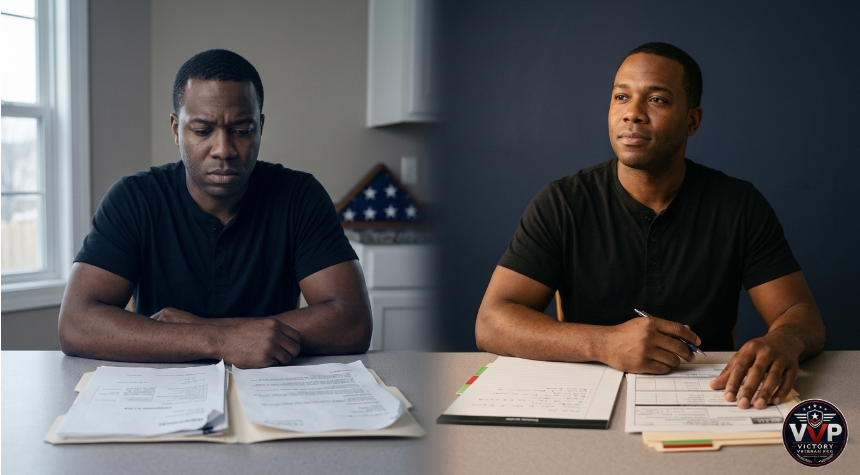
A nexus letter is pivotal for your claim. It's a document from a doctor that explains how your condition is linked to your service. This letter needs to be clear and detailed, outlining your medical history and its connection to specific service events.
Doctors should include examples and specifics. They need to explain why they believe your service caused or worsened your condition. This letter is key to bridging the gap between your diagnosis and the VA's needs. Without it, your claim might not progress.
Gathering Service Treatment Records and Buddy Statements
Service treatment records are critical. These records document any medical issues you had during your service. They show what happened and when, helping to link your current condition to your service time.
Buddy statements are also valuable. These are statements from fellow veterans who can attest to the events or conditions you experienced. They add weight to your claim by providing firsthand accounts. Both of these pieces of evidence contribute to a robust service connection.
Preparing for the VA Claim Process
C&P Exam Preparation Tips
Preparing for the C&P exam is essential. This exam evaluates your condition and its impact on your life. To prepare, gather all your documents and be ready to discuss your condition's history and how it affects your daily activities.
Be honest and clear about your symptoms. This isn't the time to downplay your condition. The VA uses this exam to decide your claim, so accuracy is crucial. If you're unsure what to expect, consider reviewing this guide from fellow veterans.
Submitting a Fully Developed Claim
A Fully Developed Claim (FDC) is your best bet for a faster decision. This means submitting all your evidence upfront. Use VA Form 21-526EZ to ensure you've included everything.
Double-check your documents for completeness. Missing or incorrect information can cause delays. A complete FDC shows the VA that you're prepared and serious about your claim, which can lead to a quicker response.
Frequently Asked Questions
What is a nexus letter, and why is it important?
A nexus letter is a medical document linking your condition to your service. It's crucial because it provides the VA with evidence of this connection, which is necessary for your claim to succeed.
How can I improve my chances of a successful VA disability claim?
Ensure you gather all necessary evidence, including service treatment records and buddy statements. A strong nexus letter and a well-prepared C&P exam can also improve your chances.
Why was my VA disability claim denied?
Claims are often denied due to insufficient evidence connecting the condition to service. Ensure all documents clearly show this connection. Missing or incomplete forms can also lead to denial.
What should I bring to my C&P exam?
Bring all relevant medical records and evidence of your condition's impact on daily life. Be prepared to discuss your symptoms honestly and thoroughly.
How long does it take to process a VA disability claim?
Processing times vary but submitting a Fully Developed Claim with all evidence can speed up the process. On average, expect several months for a decision.

Transparency Matters
Victory Veteran Protection is a private, veteran-owned business and is not affiliated with the U.S. Department of Veterans Affairs (VA). We are not a Veterans Service Organization (VSO), accredited representative, attorney, or authorized VA claims agent.
We provide claim preparation education, coaching support, and educational consulting, but veterans remain responsible for preparing and submitting their own VA disability claims.
Free assistance may be available through VA-accredited representatives and organizations such as the American Legion, DAV, VFW, state veteran affairs offices, and other accredited professionals. Choosing to work with Victory Veteran Protection is entirely voluntary.
Any examples, statistics, or results referenced on this website are based on general experiences and do not guarantee outcomes. Every VA claim is unique, and results will vary.
The information provided on this website is for educational purposes only and should not be considered legal or medical advice.


© 2026 Victory Veteran Protection, LLC