For Veterans
Blogs
Own Your VA Disability Appeal: A Clear, Step-by-Step Plan You Can Control
The VA disability appeal process can feel like a maze with no clear path forward. You might be buried under paperwork, unsure which form to file next or how to keep track of deadlines. Knowing exactly what documents matter and understanding each VA appeal step can turn confusion into control—and that's exactly what you'll get here. Let's break it down into clear phases so you can organize your evidence, track timelines, and move through your appeal with confidence. For more guidance, visit Victory Veteran Protection.
Understanding the VA Disability Appeal Process
Understanding the VA disability appeal process is crucial for veterans aiming to navigate it with confidence. Knowing the key phases can help you move forward.
Key Phases of an Appeal
The appeal process involves several phases. First, you submit a Notice of Disagreement if you disagree with a decision. This is an important step and needs careful thought. You then choose between three lanes: Higher-Level Review, Supplemental Claim, or Board Appeal. Each lane has its own process. The Higher-Level Review involves a senior reviewer looking at your case. The Supplemental Claim requires new evidence. The Board Appeal involves a veterans law judge. Knowing which path suits your case is essential.
Common Missteps to Avoid
Avoiding common mistakes can save both time and stress. Missing deadlines is one of the most critical missteps. Timelines are strict, so marking them on your calendar helps. Another misstep is not submitting all needed documents. Ensure all your medical records and evidence are complete. Many veterans also overlook the importance of clear communication. Keep all your correspondence organized and accessible. This can prevent confusion later.
Essential Documents and Forms
Having the right documents is half the battle. The Notice of Disagreement is your starting point. For a Higher-Level Review, use VA Form 20-0996. If opting for a Supplemental Claim, VA Form 20-0995 is necessary. A Board Appeal requires VA Form 10182. These forms are vital to your appeal. Don’t forget to include supporting documents like medical records and a nexus letter. This evidence is critical in proving your claim.
Organizing Your VA Appeal Steps

Once you understand the appeal process, the next step is organizing your approach. This will help keep everything on track.
Preparing and Sorting Paperwork
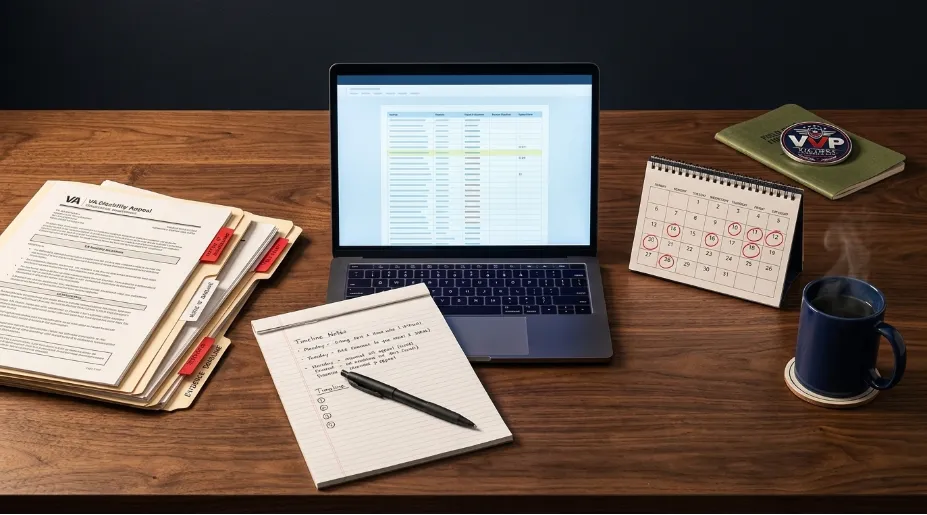
Getting your paperwork in order is crucial. Start by gathering all relevant documents: medical records, evidence, and forms. Organize them in a way that makes sense to you. Use folders or digital files to keep everything neat. This organization will save time when you need to find something. Consider creating an evidence checklist. This ensures nothing is missed and keeps your appeal strong.
Tracking Timelines Effectively
Timelines play a key role in the appeal process. Missing a deadline can set your case back. Use a calendar or digital reminder system to keep track. Note when forms are due or when you can expect responses. This simple step prevents unnecessary delays. If you’re unsure about a timeline, double-check with the VA or a trusted advisor. Staying on top of deadlines keeps your appeal moving.
Staying Accountable Throughout
Accountability is vital for managing your appeal. Regularly review your progress and adjust plans if needed. Consider working with a coach or mentor who understands the process. They can offer guidance and keep you motivated. Sharing your progress with someone else can also provide a sense of accountability. Remember, you’re in control, but support is always available.
Choosing the Right VA Appeal Lane
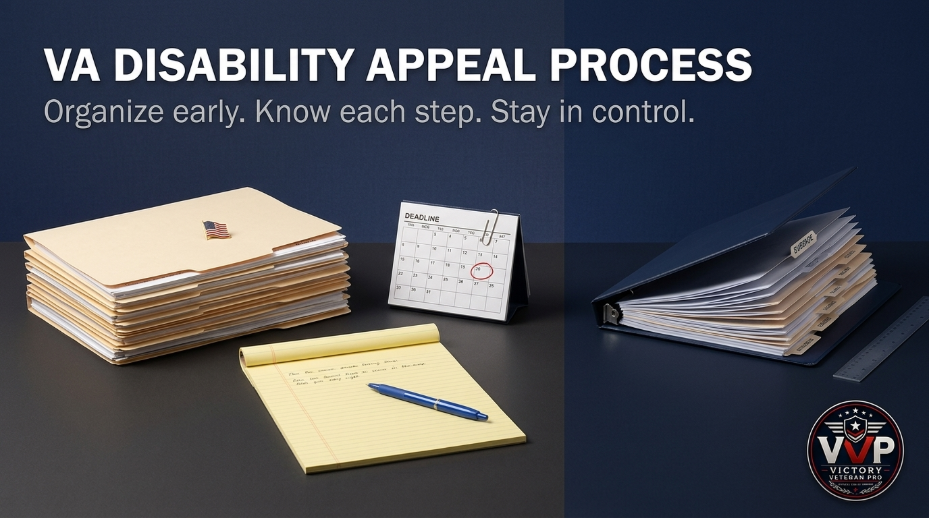
Choosing the right lane for your appeal can impact your outcome. Let’s explore each option to find the best fit for you.
Higher-Level Review Explained
Higher-Level Review offers a fresh look at your case. A senior reviewer examines your file without new evidence. This option is ideal if you believe the VA made a clear error. You can request an informal conference to explain your case further. This allows direct communication with the reviewer. Remember, no new evidence is considered, so focus on existing documentation.
Navigating a Supplemental Claim
A Supplemental Claim involves submitting new evidence. This is perfect if you have additional information to strengthen your case. New medical records or statements can be pivotal. VA Form 20-0995 is used here. This lane gives you a chance to present new facts. Having a strong new piece of evidence can make a significant difference in your appeal.
Understanding a Board Appeal
A Board Appeal is the most formal option. It involves a review by a veterans law judge. This path may take longer but offers a more thorough examination. If you prefer a hearing, this is the lane for you. You can choose between a virtual hearing or in-person. This appeal involves more preparation, so ensure all documents are in order.
Frequently Asked Questions
What is the first step in the VA disability appeal process?
The first step is submitting a Notice of Disagreement. This signals that you disagree with the VA's decision and wish to appeal.
How do I choose the right appeal lane?
Consider your case details. If you have new evidence, a Supplemental Claim is suitable. For error review, choose Higher-Level Review. Opt for a Board Appeal for a formal judicial review.
What documents are essential for my appeal?
Crucial documents include the Notice of Disagreement, medical records, and specific forms like VA Form 20-0996, 20-0995, or 10182, depending on your chosen lane.
How can I keep track of my appeal timelines?
Use a calendar or digital reminder app. Mark key deadlines and expected response dates to stay organized.
Why is organizing paperwork important in the appeal process?
Organized paperwork ensures you have all necessary documents ready. It streamlines the process and prevents missing important submissions.

Transparency Matters
Victory Veteran Protection is a private, veteran-owned business and is not affiliated with the U.S. Department of Veterans Affairs (VA). We are not a Veterans Service Organization (VSO), accredited representative, attorney, or authorized VA claims agent.
We provide claim preparation education, coaching support, and educational consulting, but veterans remain responsible for preparing and submitting their own VA disability claims.
Free assistance may be available through VA-accredited representatives and organizations such as the American Legion, DAV, VFW, state veteran affairs offices, and other accredited professionals. Choosing to work with Victory Veteran Protection is entirely voluntary.
Any examples, statistics, or results referenced on this website are based on general experiences and do not guarantee outcomes. Every VA claim is unique, and results will vary.
The information provided on this website is for educational purposes only and should not be considered legal or medical advice.


© 2026 Victory Veteran Protection, LLC