For Veterans
Blogs
Can You Work with VA Disability? Yes—If Your Evidence Is Organized and Honest
You might think working while on VA disability is too risky or even off-limits. The real challenge isn’t whether you can work—it’s how you organize your evidence and tell your full story. When your paperwork clearly shows your day-to-day limits, you can build a career or business without jeopardizing your VA disability claim. Keep reading to learn how to protect your benefits while moving forward on your own terms.
Understanding VA Disability and Employment
Balancing work while on VA disability can feel daunting. However, understanding the truth behind common fears can provide you with a new sense of freedom.
Common Misconceptions
Many believe working will automatically lead to losing VA benefits. This isn't entirely true. Your ability to work depends on how your situation is documented. Misunderstandings about VA disability rules often deter veterans from pursuing employment. It's crucial to distinguish between myths and facts. For instance, having a job doesn't always mean you'll lose your benefits. Instead, it's about showing how your work impacts your disability. This documentation ensures the VA comprehends your limitations. Understanding the nuances between full-time and part-time work, as well as certain employment types, can clarify your options.
Practical Differences in Working
Veterans ask, "Can you work with VA disability?" The answer is yes, but it's about your work type and how it aligns with your condition. Part-time or flexible roles might be more suitable. It's not just about working; it's about how your job fits with your physical or mental conditions. Some roles might exacerbate your disability, while others might be manageable. Understanding the nature of your employment and its demands is key. By remaining vigilant about how your work aligns with your disability, you can maintain your benefits. The real challenge is ensuring your work doesn't contradict your disability claim.
Fear vs. Reality
Fear often overshadows reality, especially regarding working while on VA disability. The truth is, when you organize your claim effectively, you can work without fear. Many veterans avoid seeking employment due to the fear of losing benefits. However, with honest documentation, this fear can be managed. The reality is that it's possible to pursue a career while on disability. By focusing on proper evidence organization, you can clearly demonstrate your work limitations. This approach not only clarifies your situation but also provides reassurance. The longer you wait, the more daunting it becomes. Taking control now can reduce anxiety and open new doors.
Organizing Your Claim Strategy
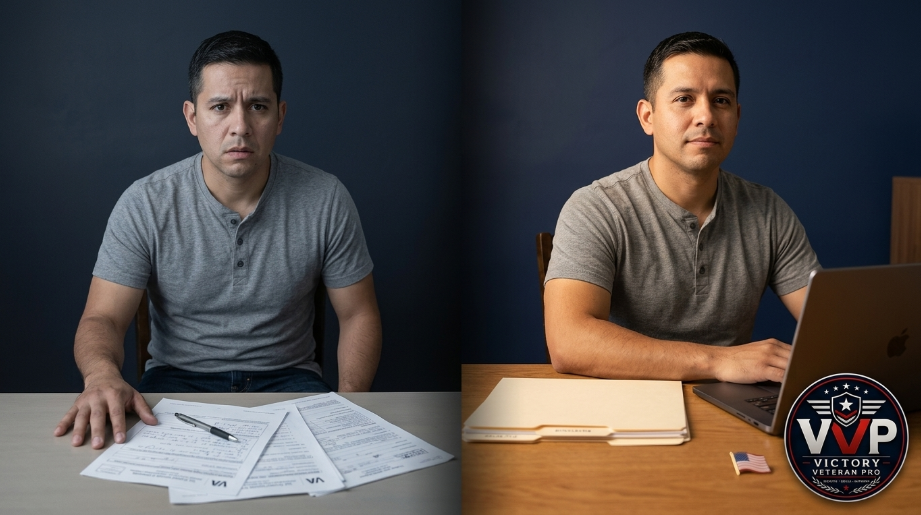
Having a structured claim strategy is crucial. It allows you to work confidently, knowing your benefits are secure.
Importance of Honest Documentation
Honest documentation is the foundation of your VA disability claim. It ensures your situation is clearly understood. Being truthful about your limitations is vital. Your documentation should reflect your daily challenges and how they affect your work. This honesty builds a solid claim foundation, ensuring the VA understands your circumstances. Without it, your claim could be questioned. Ensuring your documentation is accurate is essential for maintaining your benefits. The VA values transparency, so providing a clear picture of your day-to-day life is crucial.
Key Documents to Prepare
Several documents are essential for a strong VA disability claim. Gathering them can make a significant difference. Start with the VA Form 21-8940, which outlines your work status and limitations. Also consider buddy statements, DBQs, and nexus letters. These documents provide a comprehensive view of your situation. The more detailed and accurate your documentation, the better your claim will be. Each document has a role, providing a clearer picture of your limitations. Ensuring you have these key documents in order can streamline your claim process.
Effective Evidence Organization
Organizing your evidence is vital for a successful claim. It's about presenting your case clearly and concisely. A well-organized claim highlights your day-to-day challenges and how they impact your work. This organization makes it easier for the VA to understand your situation. Being meticulous with your evidence can prevent delays and complications. By organizing your evidence effectively, you can ensure your claim is processed smoothly. It's about making your situation as clear as possible to those reviewing your claim.
Navigating Work and VA Benefits
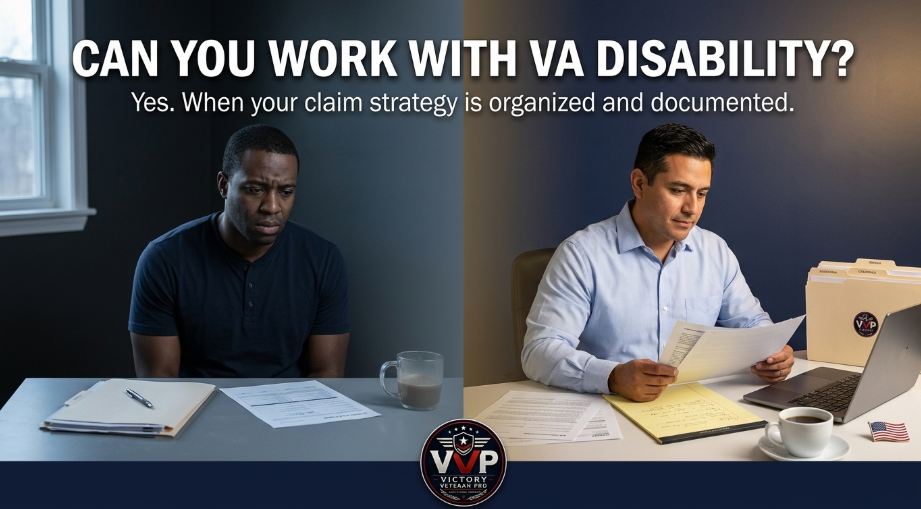
Understanding how work interacts with VA benefits can empower you to make informed decisions about your career path.
Employment Rules and TDIU
TDIU (Total Disability Individual Unemployability) has specific rules. Understanding these can help you navigate your work situation. TDIU is designed for veterans who can't maintain substantial employment due to their disabilities. However, you can still work under certain conditions. It's about ensuring your work doesn't contradict your claim. Understanding these rules can help you maximize your benefits while working. By knowing what's allowed, you can avoid complications with your claim.
Self-Employment and Sheltered Work
Self-employment and sheltered work offer unique opportunities for veterans. These options can align with your disability limitations. Self-employment provides flexibility, allowing you to manage your work around your needs. Sheltered work, on the other hand, offers a supportive environment tailored to your abilities. Both options can be compatible with VA disability benefits. It's about finding what works for you and ensuring your claim reflects this. By exploring these avenues, you can find a balance between work and benefits.
Coaching for Transition Success
Coaching can be invaluable during this transition. It provides guidance, helping you make informed decisions. Veteran transition coaching offers support in navigating work and VA benefits. A coach can help you understand your options and build a strategy that aligns with your goals. This support can make a significant difference in your transition process. By working with a coach, you can gain clarity and confidence in your decisions. It's about empowering you to take control of your career path.
Frequently Asked Questions
Can you work with VA disability?
Yes, veterans can work while receiving VA disability benefits. The key is to ensure the work aligns with documented limitations and doesn't exceed earnings thresholds for specific benefits like TDIU.
What is TDIU, and how does it affect employment?
TDIU stands for Total Disability Individual Unemployability. It allows veterans who can't maintain substantial employment due to their disabilities to receive benefits as if they were 100% disabled. However, some work is permissible under certain conditions.
How can I organize my VA disability claim?
Effective organization involves gathering key documents like VA Form 21-8940, buddy statements, DBQs, and nexus letters. Clear and honest documentation of daily limitations is crucial for a successful claim.
What types of work are compatible with VA disability?
Part-time, flexible, self-employment, and sheltered work can be compatible with VA disability benefits. The focus should be on ensuring the work doesn't contradict the documented limitations and doesn't exceed income thresholds.
Why is coaching beneficial for veterans on disability?
Coaching provides personalized support, helping veterans navigate their work and benefits. It offers clarity, guidance, and strategies for successful transitions while ensuring their claim remains intact.

Transparency Matters
Victory Veteran Protection is a private, veteran-owned business and is not affiliated with the U.S. Department of Veterans Affairs (VA). We are not a Veterans Service Organization (VSO), accredited representative, attorney, or authorized VA claims agent.
We provide claim preparation education, coaching support, and educational consulting, but veterans remain responsible for preparing and submitting their own VA disability claims.
Free assistance may be available through VA-accredited representatives and organizations such as the American Legion, DAV, VFW, state veteran affairs offices, and other accredited professionals. Choosing to work with Victory Veteran Protection is entirely voluntary.
Any examples, statistics, or results referenced on this website are based on general experiences and do not guarantee outcomes. Every VA claim is unique, and results will vary.
The information provided on this website is for educational purposes only and should not be considered legal or medical advice.


© 2026 Victory Veteran Protection, LLC